


” They thought by silencing him they would silence us—but his voice lives on in our struggle. “
– Umm al-Kheir Community Elder
Over the past three weeks, Umm al-Kheir has stood at the center of the “Justice for Odeh” campaign, following the killing of activist and teacher Awda Hathaleen . His funeral, held on August 7 after days of hunger strikes by local women demanding his body’s release, became a moment of both grief and defiance. The community’s resilience inspired waves of solidarity across Palestine and around the world.
But Umm al-Kheir’s story is not an isolated one. Across the West Bank, settler attacks are escalating with alarming frequency. In Taybeh , villagers have faced harassment, land confiscation attempts, and attacks on farmland. In Silwad , homes and vehicles were burned, and in Burqa and Kafr Malik , crops and water infrastructure were destroyed. These communities, like Umm al-Kheir, are confronting the same pattern of violence—settler impunity under military protection, meant to break Palestinian presence and resistance.
Meanwhile, in Gaza…
Families in Gaza continue to endure relentless bombardments, mass displacement, and a deepening humanitarian catastrophe. The destruction has not only devastated neighborhoods but also claimed the lives of those who dedicate themselves to saving others. Just this week, reports confirmed the killing of civil defense workers, journalists, and medical teams while carrying out their duties under fire. Yesterday’s strikes intensified the suffering, pushing Gaza further into crisis.
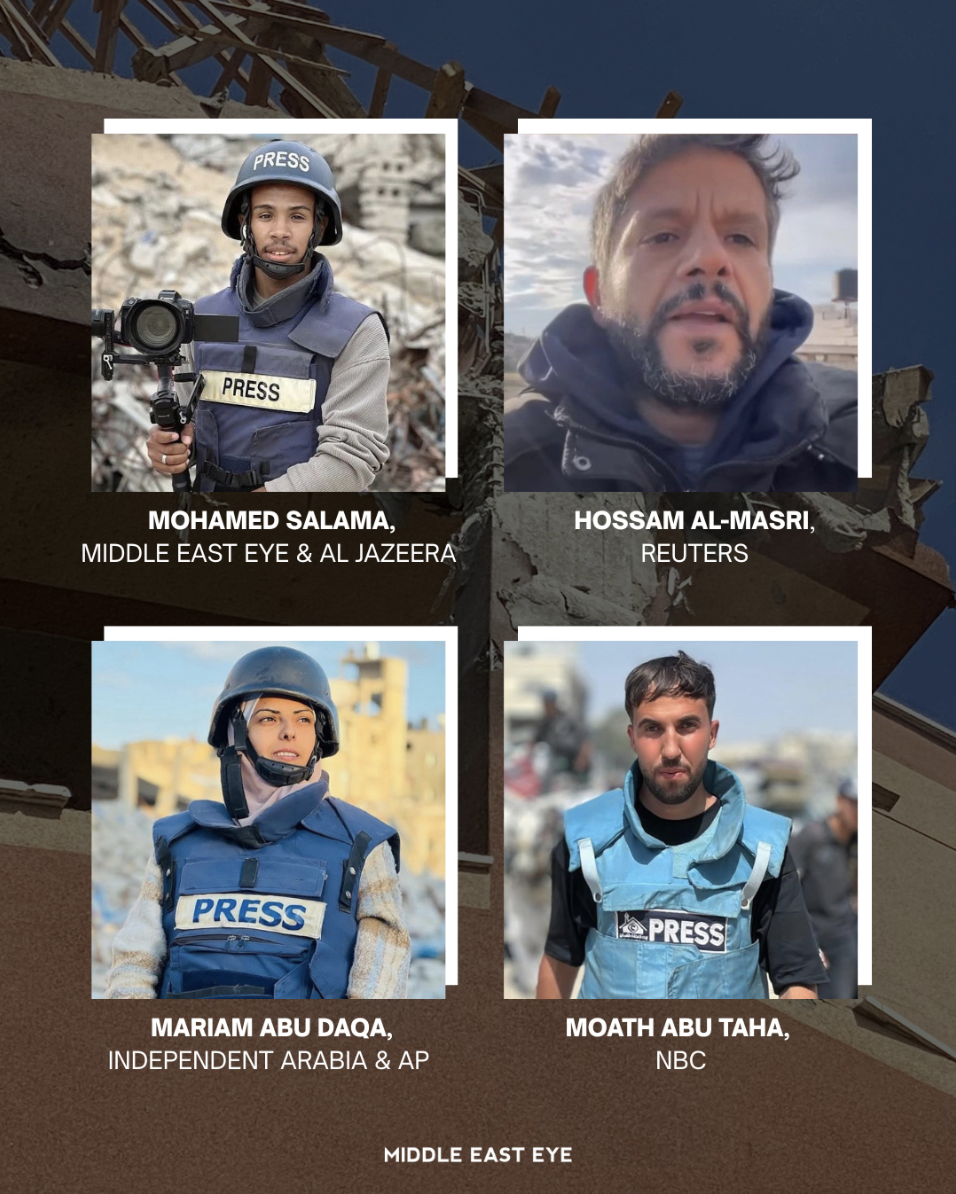
Instagram post by MIDDLE EAST EYE , 25.08.2025
The violence unfolding in Gaza and the West Bank are deeply connected —two fronts of the same struggle for dignity, survival, and justice. As settlers escalate their attacks in West Bank villages such as Taybeh, Um al-Kheir, and others , Palestinian families are facing home demolitions, land seizures, and increasing insecurity. These incidents are not isolated; they form part of a wider system of displacement and dispossession.
Holy Land Trust continues to stand with these communities, documenting violations, providing humanitarian and emotional support, and amplifying Palestinian voices to the international stage. From Umm al-Kheir to Taybeh, from the West Bank to Gaza, we remain committed to transforming trauma into resilience and mobilizing solidarity worldwide.
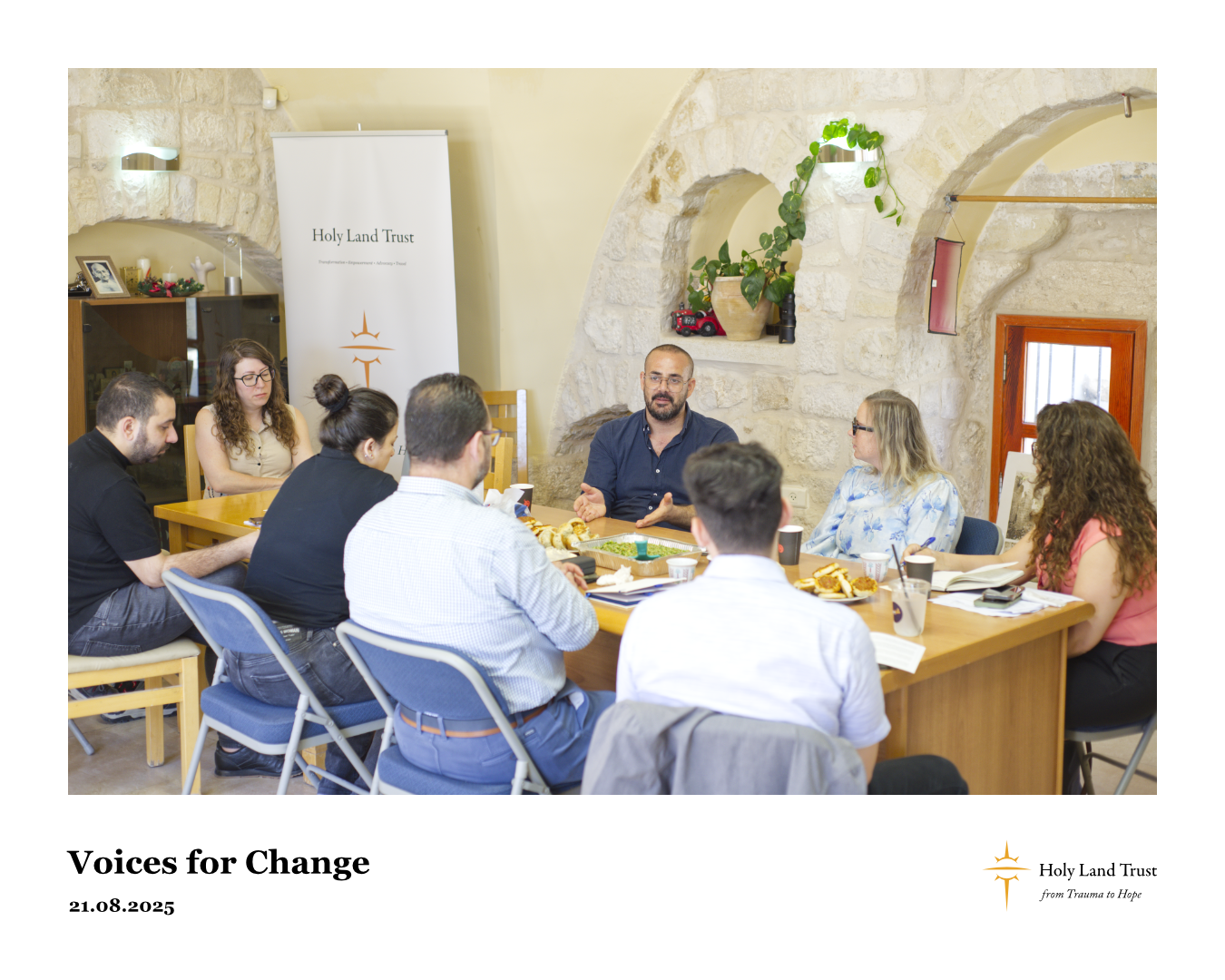
We welcomed a visit from the U.S. Office of Palestinian Affairs to discuss the ongoing Voices for Change project. This initiative empowers young Palestinians to become leaders in their communities, using creativity and non-linear thinking to tackle today’s challenges.
The project strengthens the resilience of 40 youth , equipping them—and their local trainers—with skills in peacebuilding, nonviolence, and conflict resolution . Through this work, they are building dynamic networks that amplify new ideas, give voice to fresh perspectives, and inspire hope for a just and inclusive future .

When Awda was killed, his community in Umm al-Kheir rose up with courage that touched us all. Mothers and grandmothers went on hunger strike, neighbors risked arrest, and people from across Palestine and abroad stood in solidarity. But Umm al-Kheir is not alone—families in Taybeh, Silwad, Burqa, and Gaza are living the same fear, the same loss, the same determination to hold on to their land and dignity.
We at Holy Land Trust are walking alongside them. We are listening to their stories, sharing their truth, and doing what we can to turn grief into strength. With your support, this work continues—not just for Awda’s family, but for every family in Palestine still fighting to be seen, to be heard, and to live in peace.
Every gift, every message of support, reminds the families we work with that they are not alone. Your solidarity gives them strength to keep going.
Said Durzi Zarzar,
TRAVEL & ENCOUNTER PROGRAM MANAGER
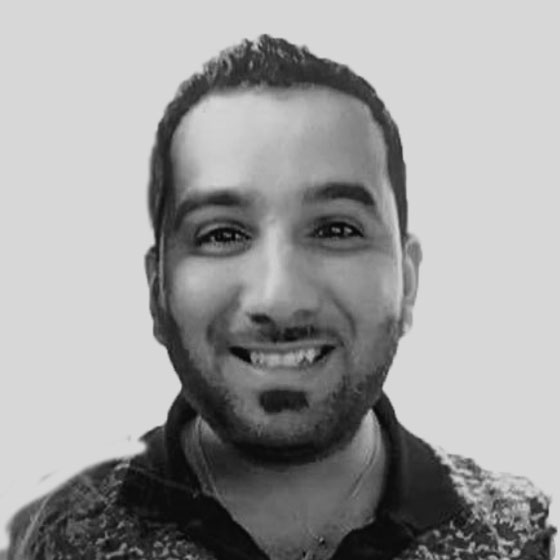

We chose “Justice for Awda” to honor Awda Hathaleen and call attention to the settler terror that took his life and threatens his community. His killing highlights the urgent need for protection and accountability in Masafer Yatta.
Holy Land Trust
© 2025 Holy Land Trust